
When the Camera Shattered Western Conventions For much of the twentieth century, international film language was organized around the quiet authority of classical Hollywood continuity. Space was meant to remain legible, time was expected to move forward with persuasive efficiency, and editing generally concealed its own machinery. The cut connected rather than collided. A character …
Recent Posts

Rhythms of Disruption: How East Asian New Waves Rewrote Global Cinema
When the Camera Shattered Western Conventions For much of the twentieth century, international film language was organized around the quiet authority of classical Hollywood continuity. Space was meant to remain legible, time was expected to move forward with persuasive efficiency, and editing generally concealed its own machinery. The cut connected rather than collided. A character …
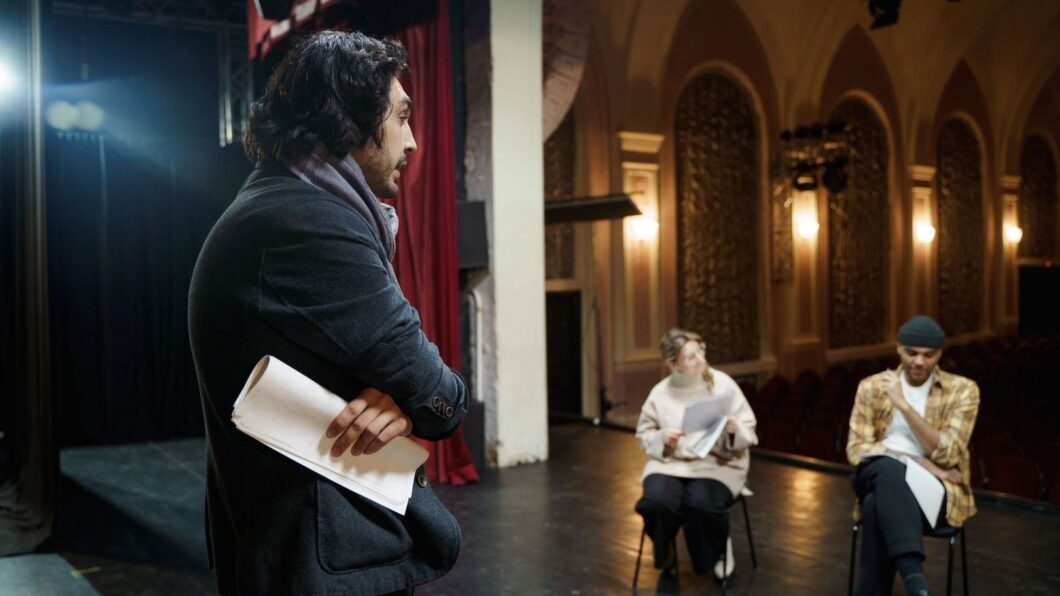
The Script-to-Screen Chasm: How Directors Rewrite Screenplays on Set
The Myth of the Pure Blueprint A screenplay can look definitive on the page. It has scene headings, controlled dialogue, described gestures, and a sequence of events that appears to promise a finished film before a camera is switched on. That appearance has encouraged one of cinema”s most persistent romantic misconceptions: the belief that directing …

The Architecture of Dread: How Spatial Geometry Builds Cinematic Suspense Before the Plot Begins
The Blueprint of Fear Before the First Shadow Falls Suspense often begins before a character speaks, before a door opens, and before the audience knows what danger to expect. A frame can make the body tense through proportion alone. A ceiling presses downward, a corridor narrows toward darkness, or a doorway sits just far enough …
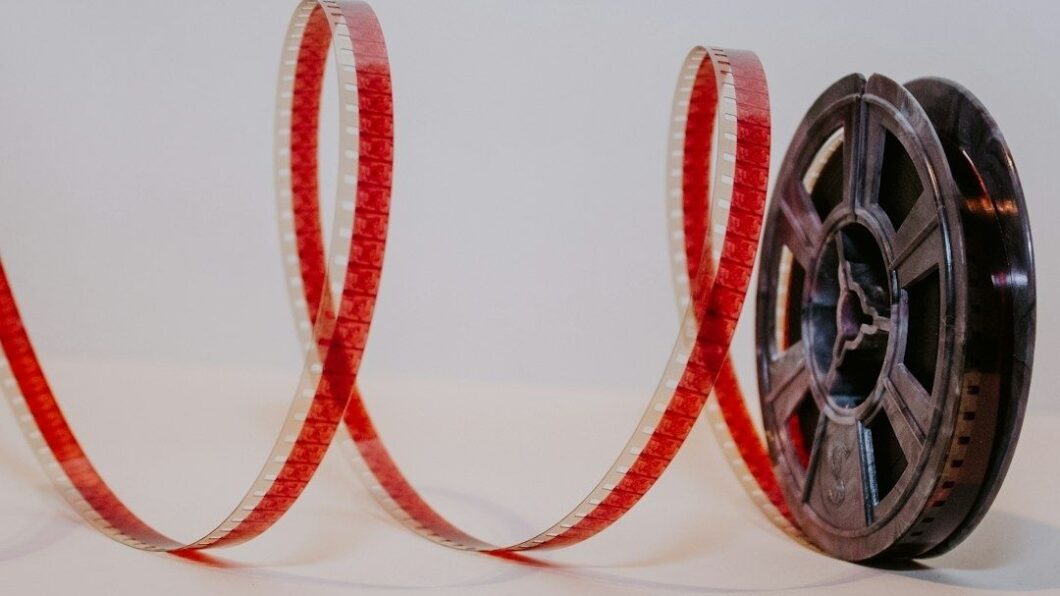
Celluloid in the Digital Era: The Fragile Science of Film Preservation and Archiving
The Vanishing Physical Record of Human Vision A motion picture can appear weightless on a screen, yet the image itself is anything but immaterial. Every flicker depends on a physical carrier: a strip of plastic coated with gelatin and photographic chemicals, a magnetic element, a hard drive, or a carefully managed stream of data. These …

Shadows and Cynicism: Why Neo-Noir Resurfaces During Periods of Societal Anxiety
When the Rain-Slicked Pavements Reflect Broken Systems Neo-noir is often reduced to a wardrobe and a weather report: a fedora under a streetlamp, venetian-blind shadows across a suspect”s face, cigarette smoke curling toward a ceiling fan, rain turning asphalt into black glass. Those images matter, but they are symptoms rather than the disease. Noir”s real …
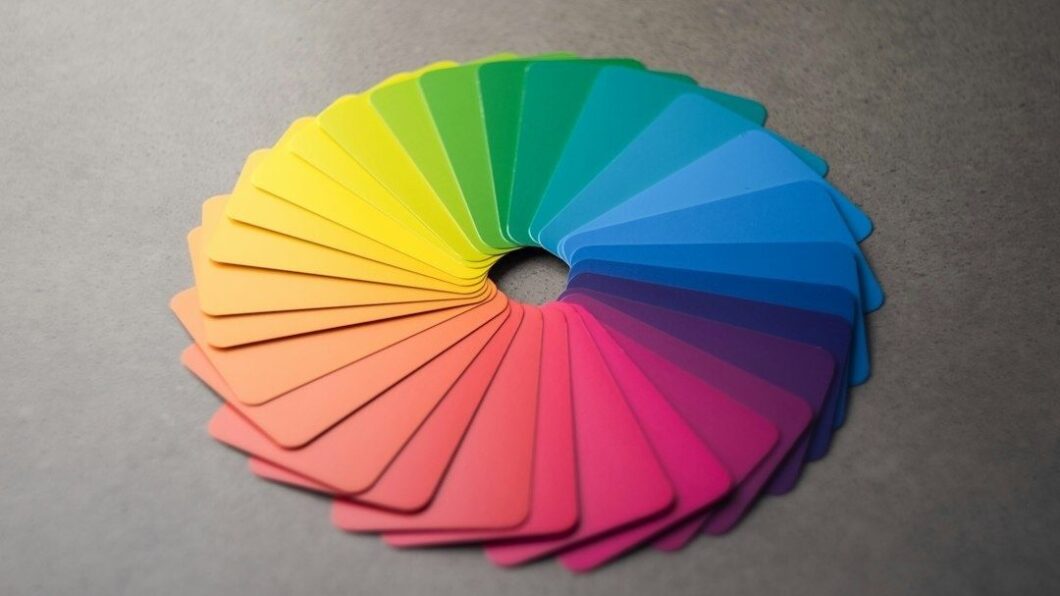
Color Grading as Subtext: Decoding the Emotional Palettes of Modern Cinematography
The Unspoken Dialogue Between Pigment and Perception Before dialogue explains a character”s fear, color may already have placed that fear in the room. A cool shadow across a face, a sickly green wall, or a sudden withdrawal of saturation can alter the viewer”s expectations before the story has supplied a conscious reason. Cinema communicates through …
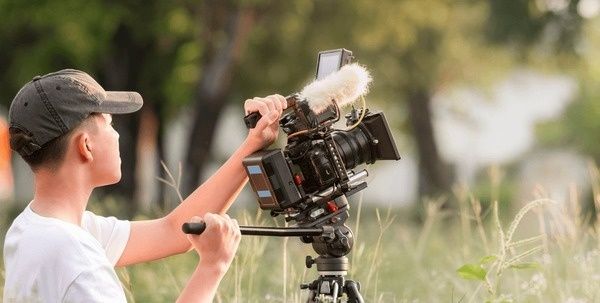
The Ethics of the Lens: Where Does Documentary Truth End and Manipulation Begin?
The Myth of the Transparent Frame A documentary frame can appear to offer reality without a veil: a face held in close-up, a room left undisturbed, a voice carrying the weight of testimony. Yet every image begins with an act of exclusion. The camera points here rather than there. A microphone captures one exchange while …
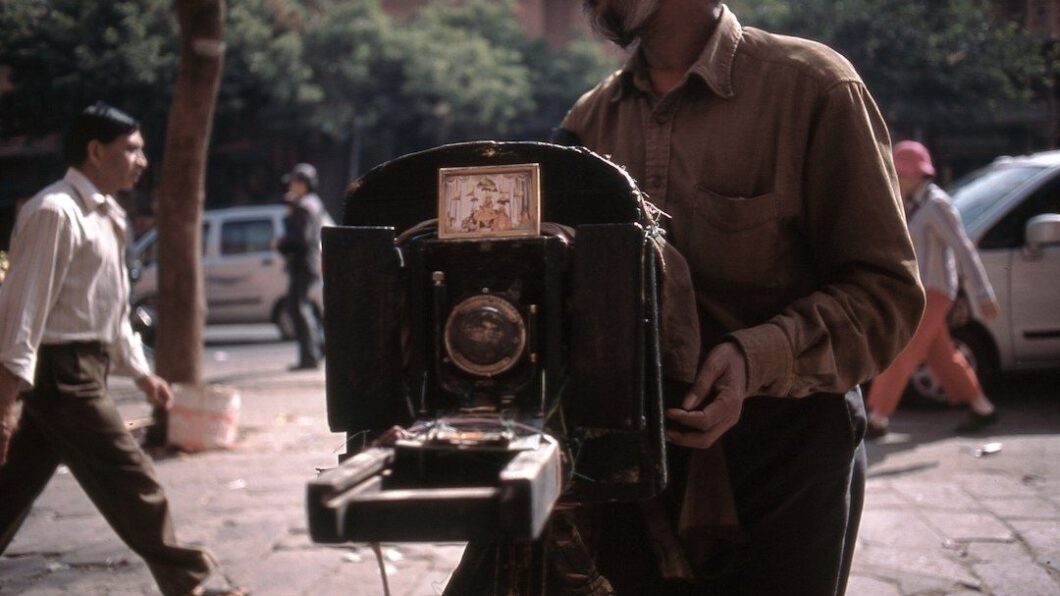
Ruins, Streets, and Real Lives: How Italian Neorealism Rewrote Modern Cinema
When the Cameras Stepped into the Rubble In postwar Rome, cinema had to find a new address. Cinecittà, the vast studio complex built under Mussolini, was no longer a functioning dream factory. It had been damaged, occupied, and transformed into a refugee camp. Film production was pushed outward, into streets scarred by bombing, apartment blocks …

The Anatomy of Quiet Terror: How Foley Artists Construct Psychological Realism
The Subconscious Architecture of Everyday Sound The most disturbing sound in a horror film is rarely the loudest. A door latch settling into place, fabric dragging across a wall, a shoe finding the edge of a stair, or breath held just beyond the frame can create a more intimate terror than any orchestral blast. These …
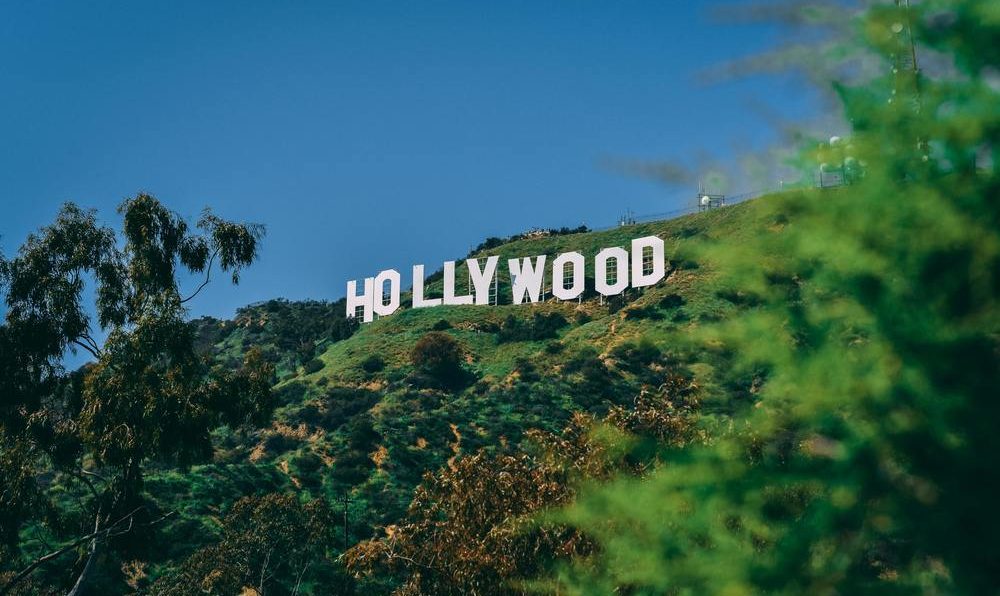
The Golden Age of Film
The golden age of Hollywood was a time of unmatched elegance when the silver screen was graced by icons such as Audrey Hepburn, Clark Gable, and Marilyn Monroe. Films weren”t just stories but a way to showcase glamour, opulence, and artistry. Lavish sets and costumes transported you to worlds filled with shimmering chandeliers, velvet drapes, …